

Pregnancy, Loss and Post-Partum Mental Health Counselling in Edmonton
Pregnancy, Loss and Post-Partum Mental Health Counselling
Struggling with the transition of pregnancy, loss or post-partum mental health disruptions? This can be a particularly difficult time for parents. Mental health disruptions are common during this phase of life and deserve professional support. Pregnancy, loss and the post-partum time period is multi faceted. There can be a perceptions and expectations that this is an exceptional time in life however it can also be full of heartbreak and challenges. One of my many goals in therapy is to support individuals who are struggling to understand the impact and what could be contributing to the mental health concern and understand your not alone in your struggle. At Heights Psychological my hope is to support individuals to make choices that are consistent with their values and to stop allowing difficult life transitions to cloud their experiences.
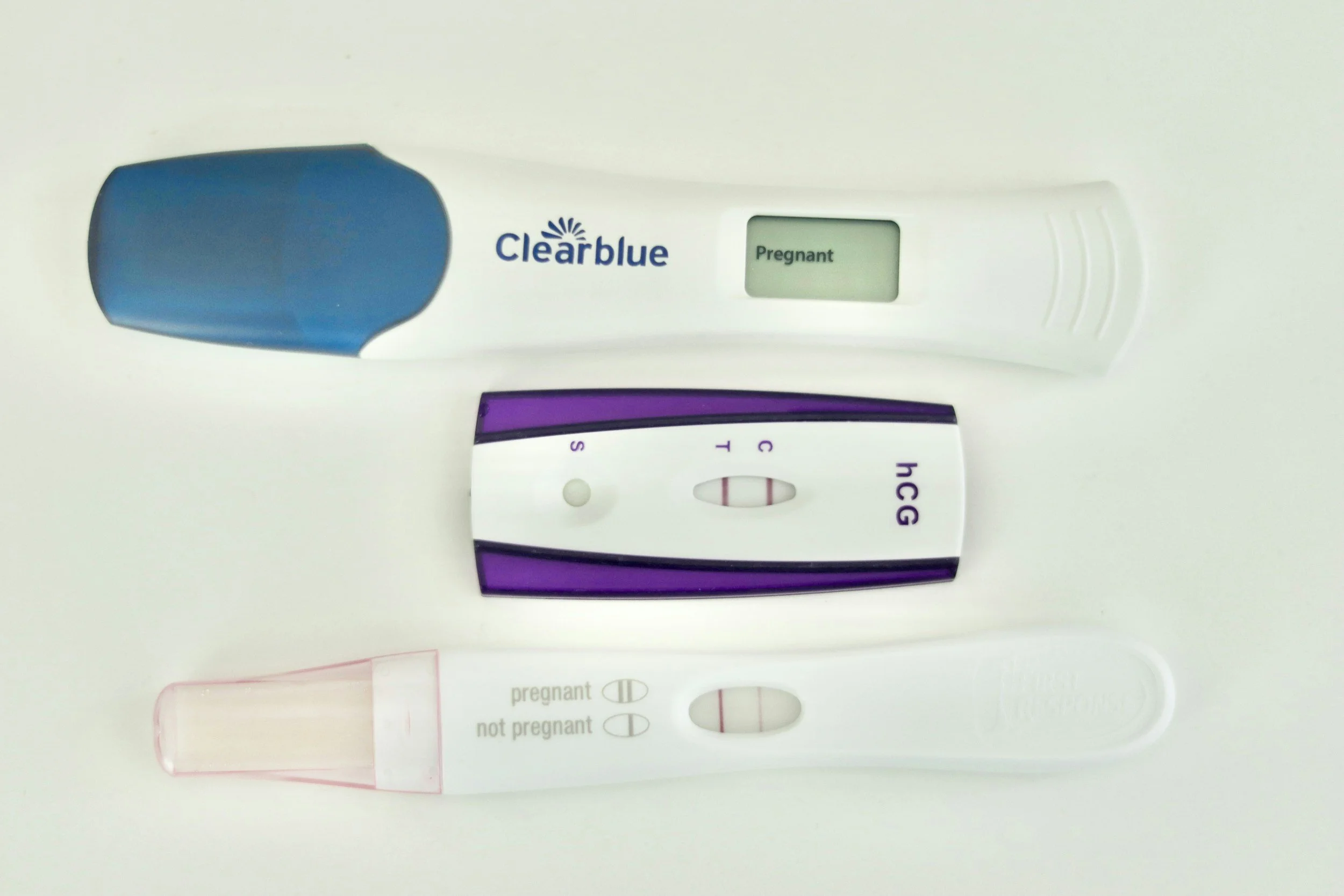
Understanding mental health concerns during pregnancy, loss and the post-partum phase of life.
Mental Health Challenges During Pregnancy (Antenatal)
Pregnancy is often painted as a time of pure joy, but up to 1 in 4 women and 1 in 10 men experience perinatal mood and anxiety disorders.
Antenatal Anxiety: The most common prenatal challenge, often showing up as persistent, racing worry about the baby's health, fear of something going wrong, physical tension, and sleep disturbances.
Antenatal Depression: Characterized by ongoing sadness, emotional numbness, irritability, difficulty connecting with the pregnancy, and feelings of inadequacy before the baby even arrives.
Risk Factors: A personal or family history of mental health conditions, high stress, lack of a support network, or previous pregnancy complications.
2. Mental Health Challenges After Pregnancy Loss
Pregnancy loss—including miscarriage, stillbirth, or recurrent pregnancy loss—carries a profound emotional weight that is frequently understated or isolated by social silence.
Grief and Trauma: Around 24% to 29% of individuals experience moderate-to-severe anxiety and grief reactions following a loss, and up to nearly 30% meet criteria for Post-Traumatic Stress Disorder (PTSD) in the first month.
Guilt and Blame: Many parents unfairly internalize the loss, wondering if stress, activity, or something they did caused it.
Subsequent Pregnancies: Conceiving again after a loss often triggers "pregnancy after loss" anxiety, where joy is heavily co-mingled with hyper-vigilance, grief anniversaries, and fear of repeat heartbreak.
3. Mental Health Challenges Postpartum
The transition after birth involves dramatic hormonal drops, severe sleep deprivation, and identity restructuring.
The "Baby Blues": Affecting 50% to 80% of new parents, this starts 3 to 4 days post-delivery and involves mild tearfulness, restlessness, and mood swings. It typically resolves on its own within two weeks.
Postpartum Depression and Anxiety (PPD/PPA): Lasting longer than two weeks and impairing daily functioning, PPD/PPA brings deep hopelessness, panic attacks, severe fatigue, or anger/irritability.
Postpartum Obsessive-Compulsive Disorder (OCD): Involves unwanted, intrusive, repetitive thoughts (often scary thoughts about harm coming to the infant) and compulsive checking or avoidance behaviours.
Our Process
Book a free consult if you have any questions or concerns. Together, we determine if this is a potential fit.
Have initial session whereby we complete an intake and plan for any relevant assessment. You’re part of the process. We keep communication open and decisions shared no surprises.
Every individuals needs are unique therefore we tailor your treatment together. Therapy takes time and commitment. We strive at Heights Psychological to optimize your resources.

Specialized Pregnancy, Loss and Post-Partum Counselling in Edmonton
Living with mental health concerns during pregnancy, loss or the Post Partum phase can illicit many difficult feelings. Its a vulnerable time for parents and deserves professional assessment and treatment. Seeing a Psychologist can help treat the individual mental health challenge that had arisen during this phase of life. At Heights Psychological, we understand how overwhelming mood disruptions can be, and we are here to help you recover, using evidence based treatments like Cognitive Behaviour Therapy (CBT) and Acceptance and Commitment Therapy (ACT), EMDR, Grief Work and Narrative therapy to treat your specific concern.